What decides the cost
We do not publish a per-foot price, and you should be wary of anyone who does before seeing your basement. These are the nine things that move the number, roughly in order of how much they move it.
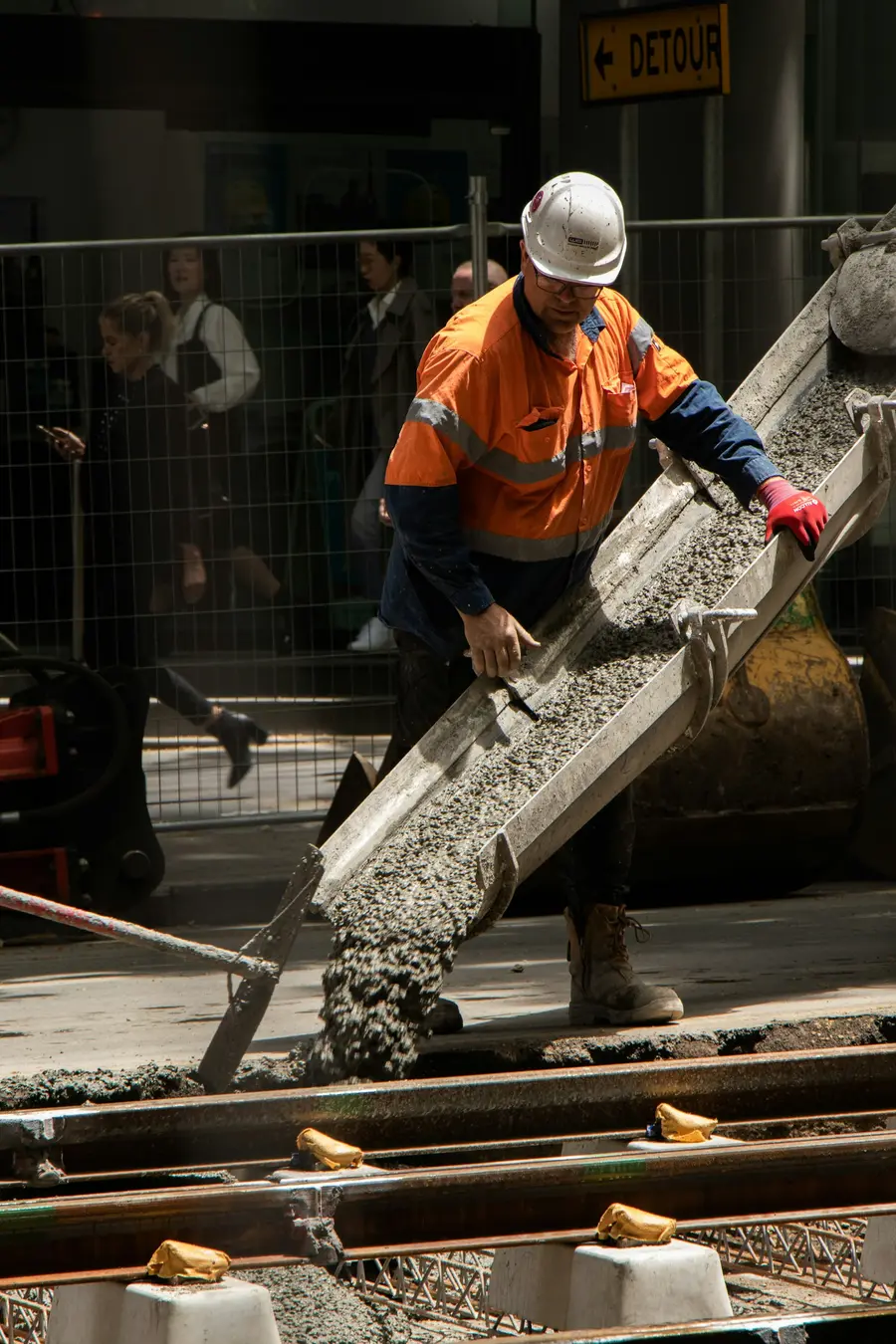
The nine things that move the number
Roughly in order of how much each one changes the total. The first two are the ones most homeowners never think about.
How the soil gets out and the concrete gets in
This is usually the largest single variable and the one homeowners think about least. A back yard a small machine can reach through a gate is a different project from a semi-detached house where every barrow of spoil and every barrow of concrete goes through the front door and down the stairs by hand. Same basement, same depth, very different job.
How much depth you are adding
Every additional foot means more excavation, more concrete, more spoil leaving the property and, past a point, deeper sections that take longer to dig and form. Going from seven feet to eight is not half the work of going from seven to nine.
How much perimeter is involved
The whole footprint of a bungalow, or one room under a rear addition. This is the number most quotes are built around, and it is only the third most important one.
What the ground is doing
Wet ground, running sand, or a high water table means more shoring, smaller sections and slower staging. Mississauga is not uniform — the ground near the lakeshore does not behave like the ground in the north end, and neither behaves like fill around a 1980s subdivision.
What the wall is made of
Poured concrete is predictable. Concrete block needs more care where the sections meet the wall. Older rubble or stone foundations in the oldest parts of Port Credit and Streetsville need the most care of all, and sometimes need work of their own before anything below them is touched.
What is sitting on the floor already
The furnace, the water heater, the panel, the stack and the buried drain line all have to be found, planned around and usually moved. The depth of that buried drain frequently sets a hard limit on how low the floor can go at all.
What else is in the scope
A walkout, egress windows, a bathroom rough-in in the new slab, exterior waterproofing, structural repair to an existing wall. Each is a real piece of work with its own cost, and each is dramatically cheaper done while the floor is open than added later.
Design, permit and inspections
Structural drawings, the building permit application, and the inspection stages. This is a real line item and it belongs on the quote as one.
Where the job stops
Handing back a bare, level, drained concrete floor is one price. Framing, insulation, plumbing fit-out, drywall and finishes are another trade and another budget. Two quotes are only comparable if they stop at the same place — this is the most common reason two numbers for "the same job" are thousands apart.
How to compare two quotes properly
Put them side by side and check five things before you look at the totals: which method each one is using (underpinning or benching), how much perimeter each covers, whether drainage and a sump are included, whether design and permit are included, and exactly what state the basement is in when they leave. If any of those five differ, you are not comparing the same job.
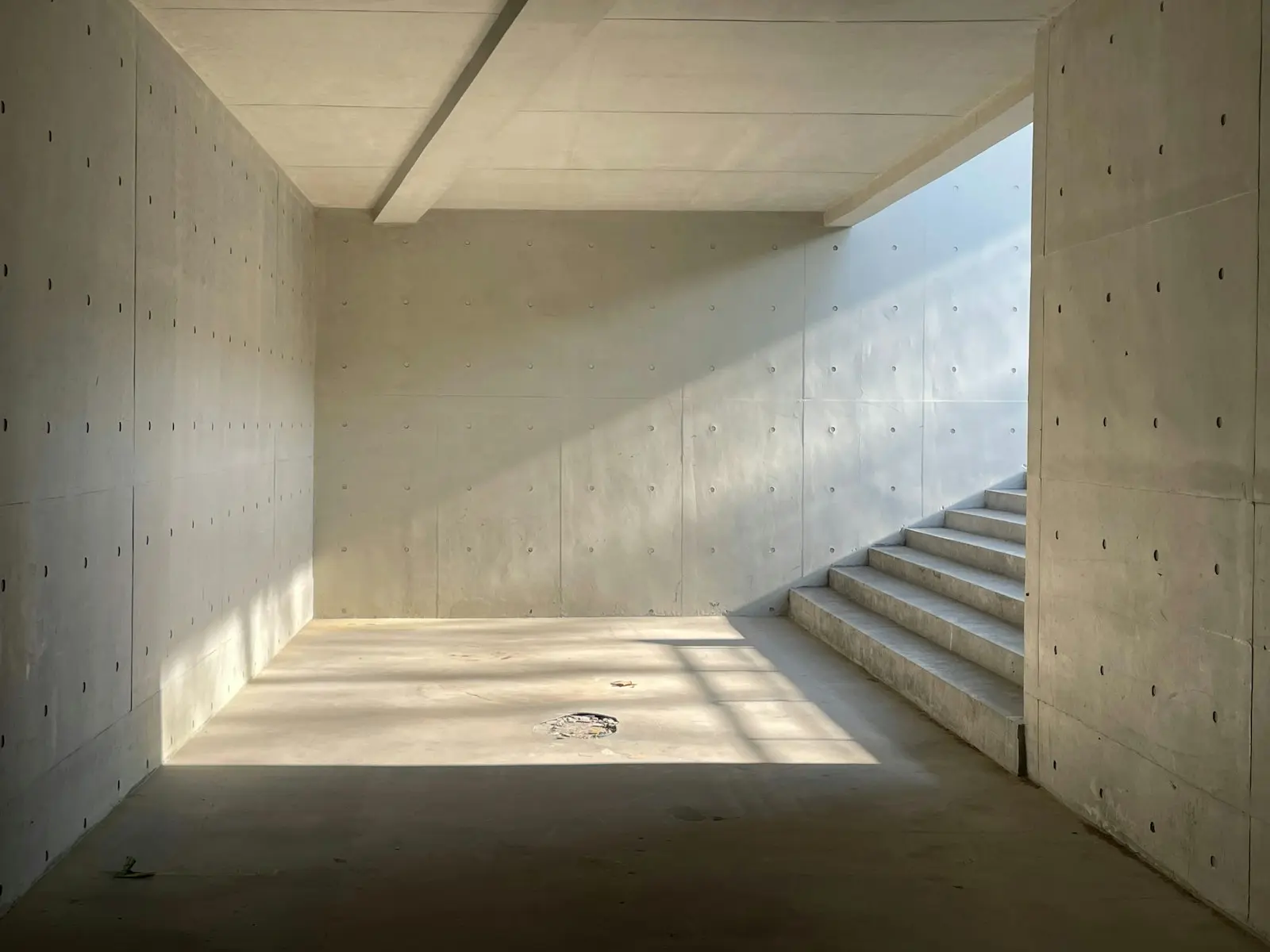
Bare, level, drained concrete. If two quotes stop at different points they are not comparable.
Common follow-up questions
Why will nobody give me a price over the phone?
Because the two biggest variables — access and depth — cannot be assessed over the phone, and a number given without them is a number that will change. What we can tell you on the phone is whether the project is realistic and roughly what it involves, which is genuinely useful and costs you nothing.
Is benching always cheaper?
For the same perimeter and depth, yes, and that is the reason it exists. Whether it is the better value depends on what the lost floor area is worth to you. See the full comparison.
Does doing more of the basement at once cost less per foot?
Usually, yes. Mobilisation, protection, dust separation, the machinery and the material route are largely fixed costs. Spreading them across a larger scope is the one genuine economy of scale in this trade.
What is the cheapest legitimate way to gain height?
Benching a wide basement with modest added depth, with the work stopping at bare concrete. Whether that gets you what you actually want is a separate question — and it is the one worth answering first.
Still not sure which way to go?
Tell us the height you have, the height you want and what the room is for. That is usually enough for a clear recommendation before anybody measures anything.